No results found. Please change your request.

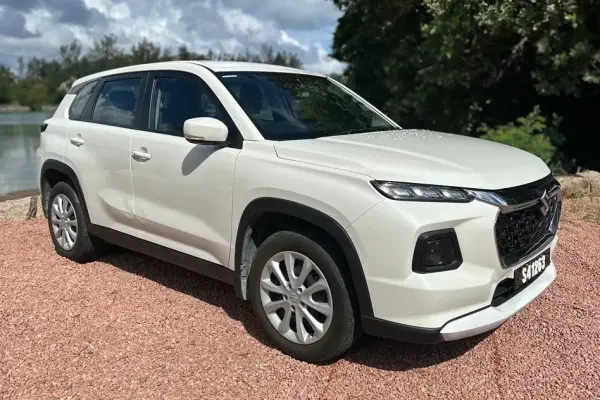
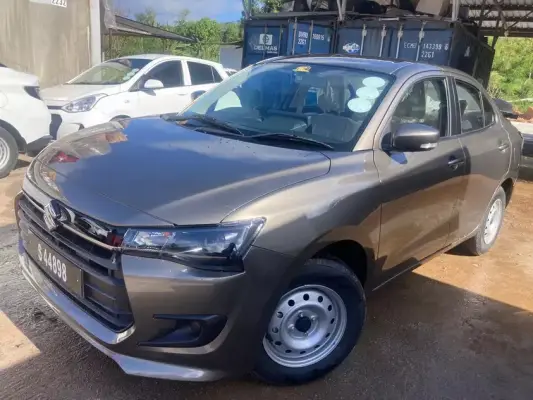
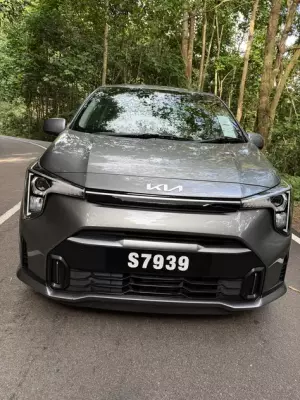
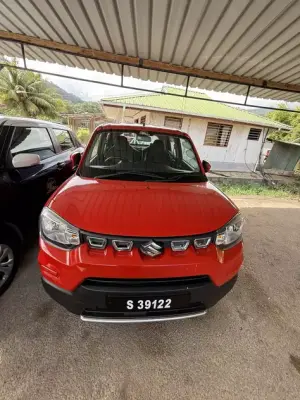
A rental car turns a Seychelles stay into something you steer on your own schedule — a beach further along the coast, a viewpoint above Victoria, lunch in a village the hotel shuttle skips. Tell Renty where and when you want to pick up, and the self-drive offers available from every local Seychelles car rental service appear with real prices for car hire and terms attached. The same convenient car rental model can turn up from more than one supplier, and prices shift with the rental services supplier, the car's year, and which extras come included, so weighing a couple of offers side by side before confirming is worth the extra minute. Book straight through the page once one fits — no phone call needed.
Renty's Seychelles listings cover two islands: Mahé, where most visitors land, and Praslin, the second-largest. Mahé's pickup runs through Seychelles International Airport near Victoria, and the island's hilly interior and narrow coastal roads favor a compact or small car for most stays; a group with more luggage, or a longer visit that covers more of the interior, is usually better off moving up a size. Praslin is smaller and flatter, and a lighter, shorter rental often covers what there is to see there.
La Digue works differently again — it has no rental service for cars at all. Bicycles, electric buggies, and walking cover the island instead, and that's genuinely how people get around there, not a gap in the local market. Seychelles' islands aren't linked by road, so a car stays on whichever one it was picked up on for the whole booking; getting from Mahé to Praslin, or either island over to La Digue, means a ferry.
Seychelles drives on the left, with the steering wheel on the right — the system most Commonwealth countries share. Away from Victoria, street lighting thins out fast once the sun's down. Night driving can be more challenging because some roads have limited lighting, especially outside built-up areas. Around Victoria itself, the posted limit runs close to 40 km/h; on Mahé's other roads and across Praslin, it climbs to about 80 km/h.
Drink-driving limits sit at 0.08% blood alcohol, backed by random roadside checks rather than left as a formality, and using a handheld phone while driving carries the same illegal status. Staying well clear of both is the simplest way to avoid a problem neither is worth risking.
A passport and a valid home-country driving licence cover most bookings, provided it's written in English or French. Outside that, or if it's not in Latin script, an International Driving Permit is expected alongside it — and packing one regardless isn't a bad idea, since a handful of suppliers ask for it no matter what the licence says.
Legally, you can drive in Seychelles from 18, but that's not the figure a rental supplier goes by. Most set a separate, higher baseline of their own — commonly around 21 — and expect some stretch of driving history behind it; exactly how much varies enough by supplier that the listing itself is the number to trust, not a general rule.
Booking terms swing more between Seychelles suppliers than in most markets, so this is worth reading offer by offer rather than assuming one standard applies everywhere:
Deposit: some suppliers hold one on the main driver's credit card; others advertise no deposit rental conditions at all
Payment method: a credit card in the main driver's name covers most listings, though a debit card works for some
Mileage: unlimited mileage shows up on many Seychelles listings, but it isn't guaranteed on every one
Fuel: return-as-collected is the common pattern, though the exact policy sits on the individual rental agreement rather than applying fleet-wide
Add-ons: additional driver, extra coverage, roadside assistance, reservation might carry an extra cost. Check that during the booking process
Weigh these against each other on the actual listing before booking, especially if a low headline price is doing a lot of the work.
Driver Requirements
Expect a baseline closer to 21, plus some driving history behind your licence — the exact cutoff and any young-driver conditions show on the individual listing.
A passport plus your home country's driving licence covers it for most visitors, provided the licence is in English or French to begin with. Anything outside that — a different script, a different alphabet entirely — calls for an IDP too, and a few suppliers want one either way, regardless of what the licence already shows.
Pricing and Booking
It depends on the supplier you book with — Seychelles doesn't run one fixed rule. Some hold the deposit on a credit card in the main driver's name; others skip a deposit altogether and take payment on arrival instead. That's a listing-by-listing detail worth confirming before you rely on it.
Longer bookings are available, though minimum and maximum rental lengths are set by the individual supplier rather than fixed across the market. Check the listing's own terms if you're planning to keep a car for more than a week or two.
Where it's offered, one-way pickup and drop-off works within the same island — a car can't cross between Mahé and Praslin either way, one-way or not. Availability differs by supplier, so confirm it on the specific listing before counting on it.
Extending is possible on many listings, subject to the car's availability past your original return date. Reach out to the supplier through your booking before that date — availability tightens the closer you get to it.
General Information
On Mahé and Praslin, yes — both islands cover more ground than a hotel shuttle or occasional taxi comfortably reaches, and a car puts the beaches, viewpoints, and villages on your own schedule. A La Digue-only stay is the exception: car hire doesn't exist there, so the question doesn't come up.
Base it on where your trip actually happens, not which island has more car hire choice — a car booked on Mahé can't follow you across the ferry to Praslin. If your stay splits time between both, as a suggestion, compare and book separately for each leg instead of expecting one rental to cover the whole trip.
Most listings expect the car back with the same fuel level it left with, but that's a per-supplier term, not a blanket rule — the rental agreement is where it's actually written down. Topping up before drop-off is the safer default if the listing doesn't spell it out clearly.